Inside the stack: How Courtyard is reinventing the collectibles marketplace
How Courtyard combines tokenized ownership, embedded wallets, and fiat + crypto rails to make physical collectibles easier to buy, trade, and redeem

Debbie Soon
|Aug 26, 2026

Inside the Stack is a new content series by Privy that breaks down how companies are using onchain infrastructure alongside traditional financial rails to build new financial products and experiences.
⎯⎯⎯⎯⎯⎯⎯⎯⎯⎯⎯⎯⎯⎯⎯⎯⎯⎯⎯⎯⎯⎯⎯⎯⎯⎯⎯⎯⎯⎯⎯⎯⎯⎯⎯⎯⎯⎯⎯⎯⎯⎯⎯⎯⎯⎯⎯⎯⎯
Founded in 2021, Courtyard is one of the earliest real-world asset (RWA) marketplaces. Instead of tokenizing Treasuries, private credit, or real estate, however, it started with a fan favorite: Pokémon cards.
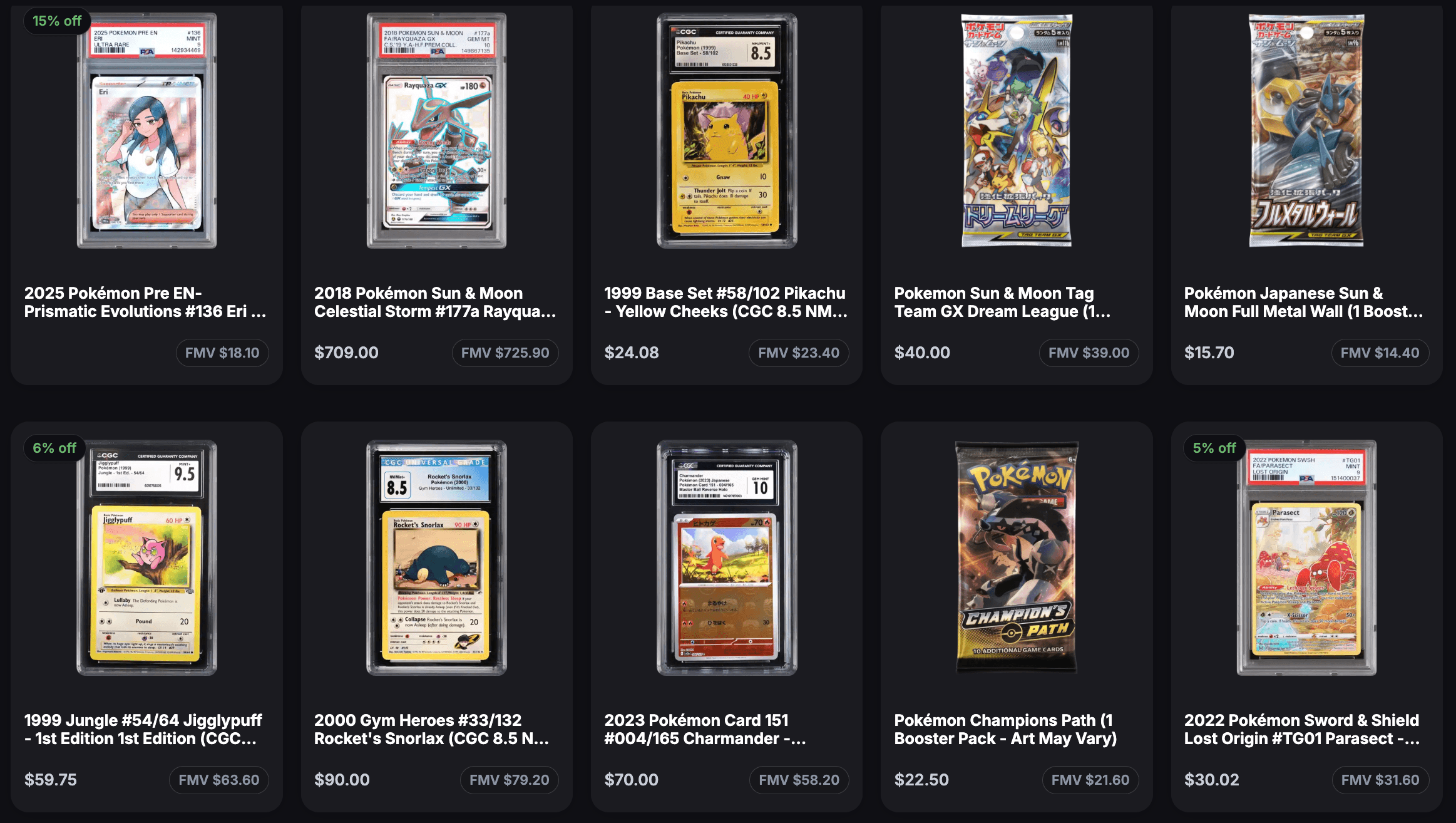
Courtyard authenticates and stores physical trading cards and other collectibles in secure vaults, with each asset then represented 1:1 by a digital token on the Polygon blockchain. Collectors can buy, sell, and trade them online without the physical asset changing hands, or redeem the token to have the underlying item shipped to them.
The model sits at the intersection of two broader shifts in collecting. Trading card markets have surged, while online gacha and “reveal” mechanics are making collecting increasingly digital, social, and real-time. Courtyard pairs that discovery-driven experience with something blockchain is particularly well suited for: letting ownership move independently of the physical asset.
A Pokémon card can stay authenticated and securely stored in a vault while changing owners many times online, only moving when someone ultimately decides to redeem it.
Courtyard’s growth shows the appetite for that model. Over the past year, daily trading volume on Polygon has grown from well under $1 million to regularly exceeding $2 million, with peak days above $4 million. Daily transactions have grown alongside it, from roughly 10,000 trades a day in late 2025 to more than 50,000 on many days in 2026.
Making physical assets easier to trade
Physical collectibles have historically come with physical friction. Buying and selling can mean shipping, authentication, insurance, and waiting for an item to arrive before it can change hands again. That friction matters even more when collectors are buying rare cards, watches, and other assets partly for their potential to hold or appreciate in value.
By vaulting the asset once and letting its digital representation trade instead, Courtyard removes much of that friction. The token can be traded repeatedly while the collectible stays securely stored, then redeemed whenever an owner wants physical delivery.
That opens up new marketplace experiences. Courtyard’s digital “reveal” format lets buyers purchase packs before discovering the collectible inside, then keep, trade, sell, or redeem what they receive.
The model is also expanding beyond cards. Courtyard recently partnered with Luxury Bazaar to bring authenticated watches from brands including Rolex, Patek Philippe, and Audemars Piguet onto the platform. Whether it’s a Pokémon card or a luxury watch, the same infrastructure applies: authenticate it, vault it, represent it onchain, and create a market around its digital ownership.

A wallet for every collector
If ownership can move independently of the physical item, collectors no longer need to take possession of every asset they buy. What they need is a secure way to hold and transfer that asset online.
Courtyard uses Privy to provision a non-custodial wallet for every collector. These wallets hold the digital tokens representing their collectibles and execute the onchain transactions required when assets are bought, sold, or transferred, all within the Courtyard experience.
As Courtyard scaled, it migrated from on-device wallet execution to Privy’s Trusted Execution Environment (TEE) infrastructure. Rather than handling sensitive wallet actions directly on a user’s device, TEE-based wallets execute them inside isolated, hardware-protected environments.This gives Courtyard stronger protections around keys and wallet actions, while keeping wallets non-custodial and embedded in the product experience.
Courtyard can also require additional authorization for high-value or sensitive transactions, giving it more control over when and how assets can move.
Collectors never need to leave Courtyard to manage the infrastructure underneath. The physical collectible stays in the vault; the wallet becomes the account where they hold it.
An onchain marketplace, funded your way
Blockchain gives Courtyard a powerful way to verify and transfer ownership, but collecting itself has broad mainstream appeal. You shouldn’t need to own crypto, understand stablecoins, or know what chain your collectible lives on to participate.
To make that possible, Courtyard connects its onchain marketplace to the payment methods consumers already use. Stripe Payments powers fiat pay-ins, while Stripe Crypto Onramp gives collectors another way to turn fiat into crypto and fund their onchain activity. Behind the scenes, Courtyard can also convert funds from its Stripe balance into USDC for payout and settlement.
Courtyard has built some of this infrastructure itself, including its own bridge and relayer. The bridge moves assets between different blockchains, while the relayer submits onchain transactions on a user’s behalf, so collectors don’t have to manually move assets between networks or manage every blockchain transaction themselves.
Collectors can participate without needing to understand which parts of the experience are fiat, stablecoin, or onchain. They can discover a card, pay with a familiar payment method, and own or trade it through Courtyard, while the infrastructure handles conversion, settlement, and onchain execution underneath.
Across that experience, Stripe’s stablecoin stack provides the infrastructure for programmable wallets with Privy, alongside fiat pay-ins and Crypto Onramp with Stripe.
If you’re building a marketplace or financial product that spans fiat and crypto, get in touch to explore what you can build on the Stripe stablecoin stack.

